The Space Sends a Message Before a Single Book Is Opened
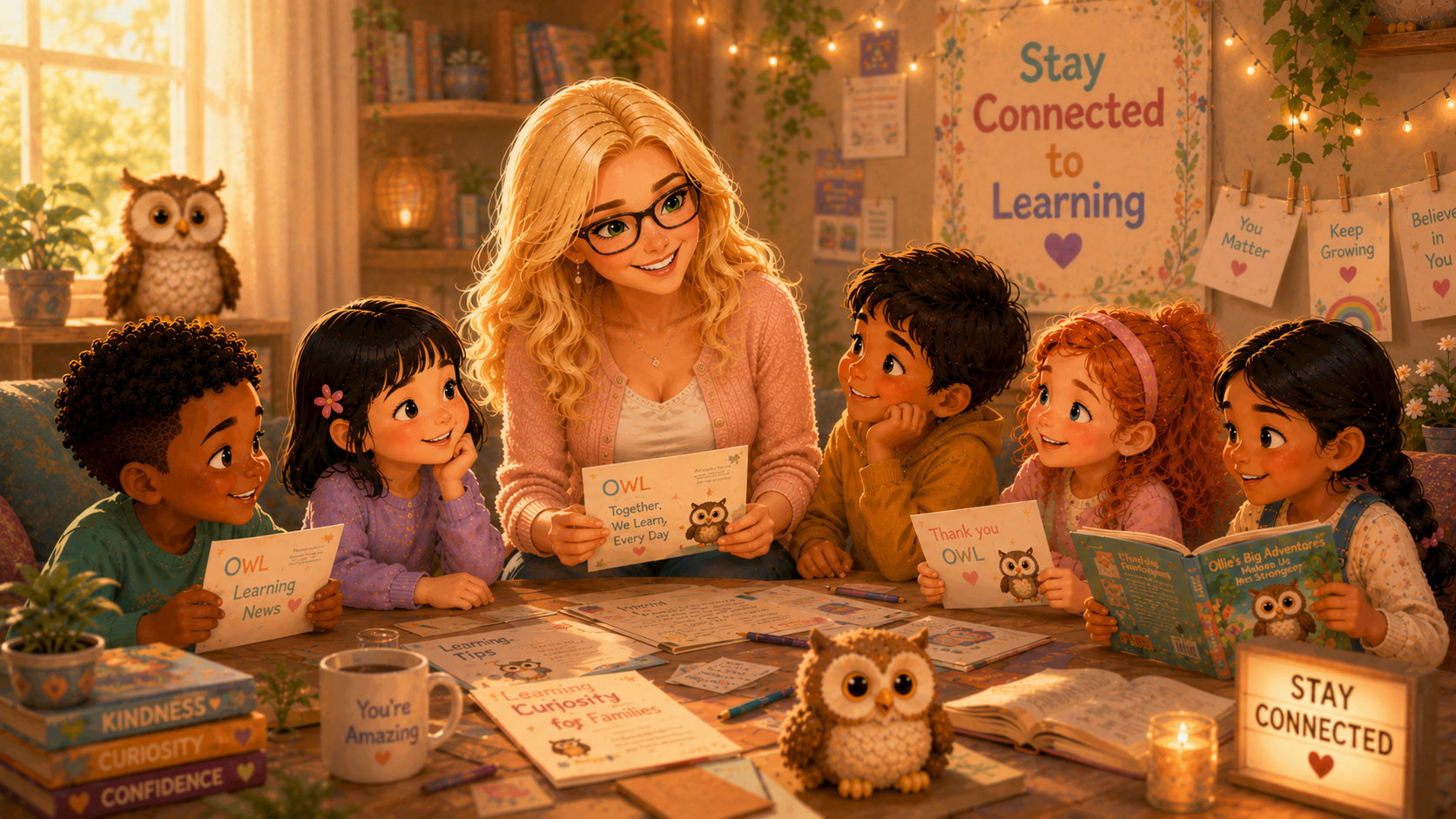
Environmental psychology research is clear: children read more when they have a dedicated, cozy, inviting reading space than when they read in general-purpose spaces like the couch or a school desk. The physical environment communicates priority. A reading corner says: in this home, books matter.
The Five Elements of an Effective Reading Corner
1. A Defined Boundary (Free–$15) The corner should feel separate from the rest of the room. Options: a large piece of fabric hung as a canopy, two bookshelves at 90 degrees, or simply a rug that defines the reading zone.
2. Accessible Books at Eye Level ($0 if using existing books) Books stored in bins or stacked flat are invisible. Books displayed cover-forward on low shelves are chosen 3–4 times more often. Rotate 6–8 books per month rather than displaying the entire library at once.
3. Comfortable Seating ($0–$20) Floor pillows, a beanbag, a small child-sized armchair, or simply a stack of folded blankets. The child must be comfortable enough to stay for 15–20 minutes.
4. Good Lighting ($0–$15) Natural light is best. A clip-on reading light or a battery-powered LED lantern works perfectly for evening reading.
5. Learning Anchors ($0 if you already have OWL materials) What turns a reading corner into a learning environment rather than just a cozy space: an emotion poster, alphabet cards, a reading journal.
Under $50 Shopping List
Most families spend under $50 by using items they already own (blankets, pillows, existing books) for 2–3 elements.
One Last Principle: Protect the Corner
The reading corner only works if it remains a reading space. Do not let toys migrate in. Do not use it as a timeout location. Do not let screens near it. The sanctity of the space is what creates its psychological power.