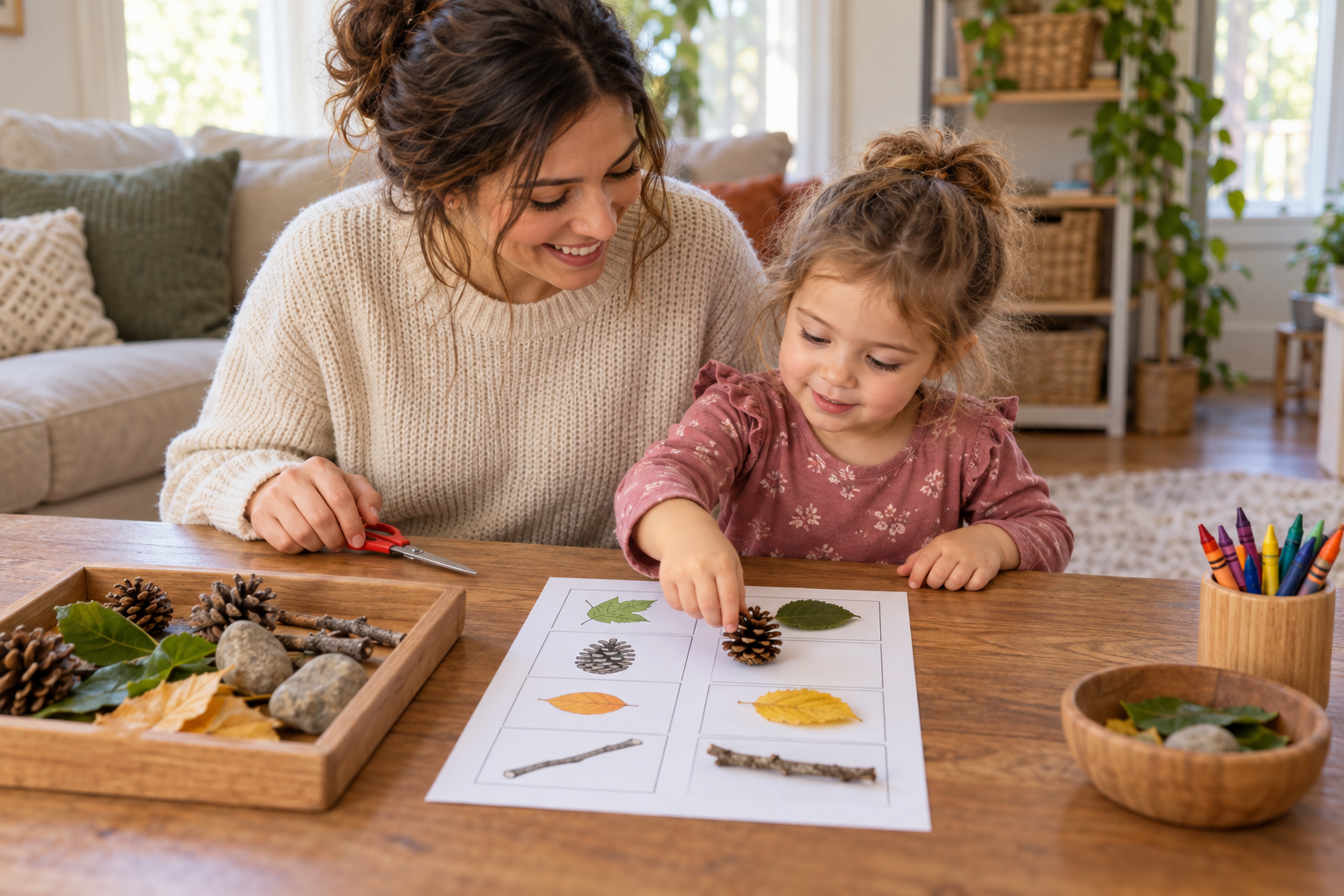
<p>A printable is most valuable when it gives a child something meaningful to do, not when it produces a perfect page for the refrigerator. Coloring, matching, tracing, cutting, drawing, and talking can all extend an idea that began in a song, story, or everyday experience. Parents do not need a perfect plan; they need a useful place to begin and permission to adjust it for the child in front of them.</p> <p>A product earns its place when it is easy to understand, safe for the intended child, and useful more than once. Before buying, imagine where it will live, who will set it up, and what the child will actually do. The strongest resources support relationships and play; they do not ask families to purchase their way into being good parents.</p> <p>A practical place to begin is to choose a page that matches your child’s current interest and hand skills. Repetition is productive at this age. A child who asks for the same experience again is often practicing something important.</p> <p>Another useful approach is to introduce the activity with one clear sentence and demonstrate only what is necessary. Keep the first attempt brief and notice what captures attention; that observation will tell you what to repeat or change next time.</p> <p>Families can also let children use crayons, stickers, counters, dough, or loose parts when pencil work feels limiting. If the idea feels difficult, simplify the materials or do one part together. Support can fade as the routine becomes familiar.</p> <p>On a different day, try to ask what the child notices rather than correcting every mark. Use ordinary conversation while you play. Words connected to a real action are easier for young children to understand and revisit.</p> <p>Finally, remember to save favorite pages in a folder or learning journal so progress is visible over time. There is no need to correct every unexpected choice. Ask what the child is doing and let their explanation guide the next step.</p> <p>Before introducing the resource, decide what success will mean today. It may be five interested minutes, one new question, a shared laugh, or a child choosing to return later. That definition keeps adults from pushing for a finished page or flawless result. Good products create possibilities, and children reveal their value through the ways they use them.</p> <p>The value of how free printables extend learning is not found in doing every suggestion at once. Choose the idea that fits today’s time, space, energy, and developmental stage. Watch the child’s response, make one small adjustment, and treat that response as useful information. This flexible rhythm is how a promising idea becomes something a family can actually use.</p> <p>OWL pairs selected videos and learning themes with free printables because families deserve an easy next step. The page is not the lesson by itself. It is a prompt for conversation, fine-motor practice, imagination, and repetition that parents and educators can adapt.</p> <p>Families should never feel that learning depends on owning everything. Begin with what fits the child, the home, and the budget. OWL products are meant to make a next step easier and more joyful; the relationship, conversation, and imagination around them remain the most valuable materials in the room.</p>
How Free Printables Extend Learning
A printable is most valuable when it gives a child something meaningful to do, not when it produces a perfect page for the refrigerator. Coloring, matching, tracing, cutting, drawing, and talking can all extend an idea…
By Rick Lofton · October 19, 2026
Keep reading
More in education-learning
 education-learning
Why OWL Uses Music to Teach
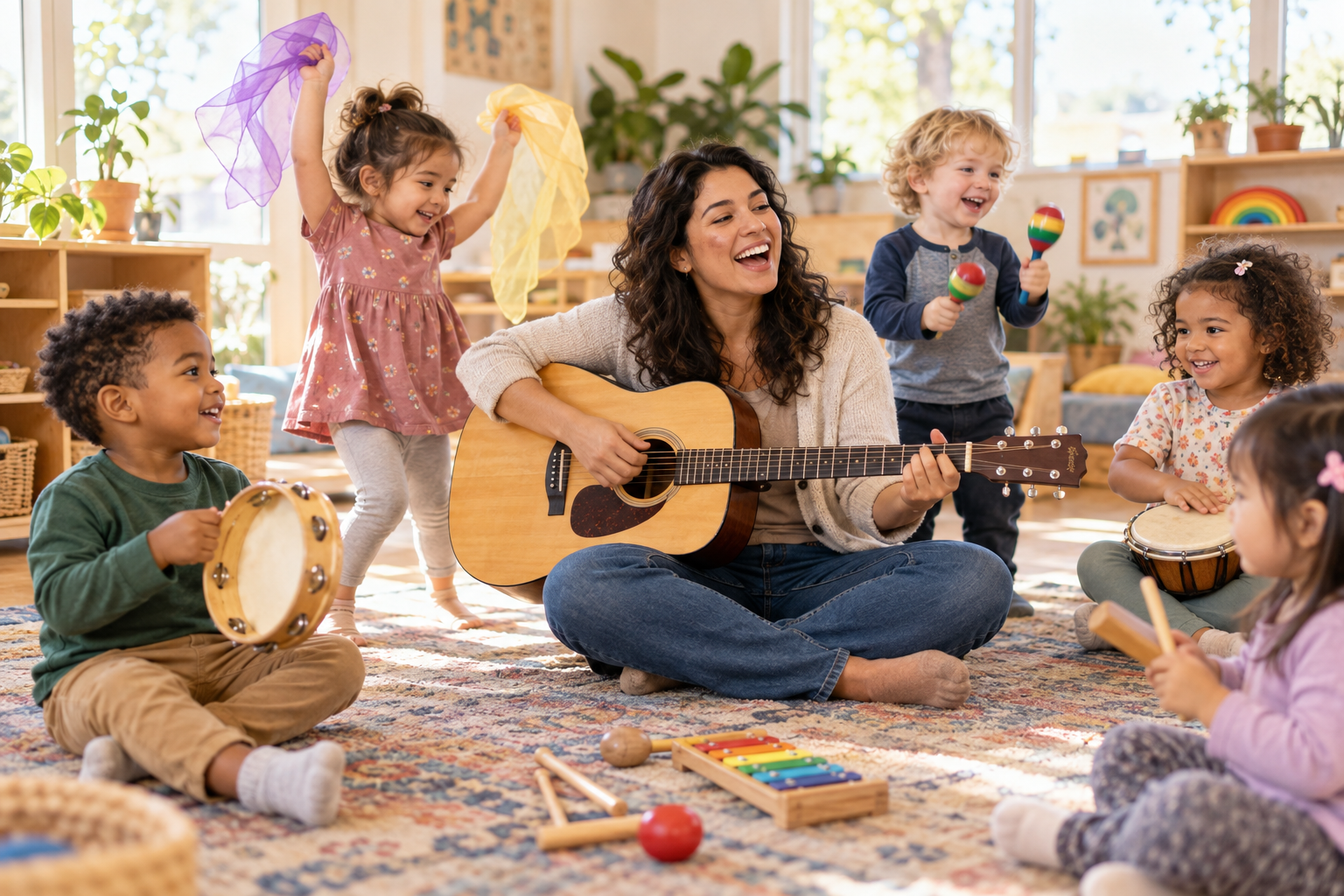
At OWL, music is not decoration added after a lesson is written. It is one of the ways young children organize language, movement, memory, feeling, and belonging. A melody can make a pattern easier to anticipate and an…
Read more →Oct 25, 2026
3 min read
 education-learning
Learning Journals for Preschoolers
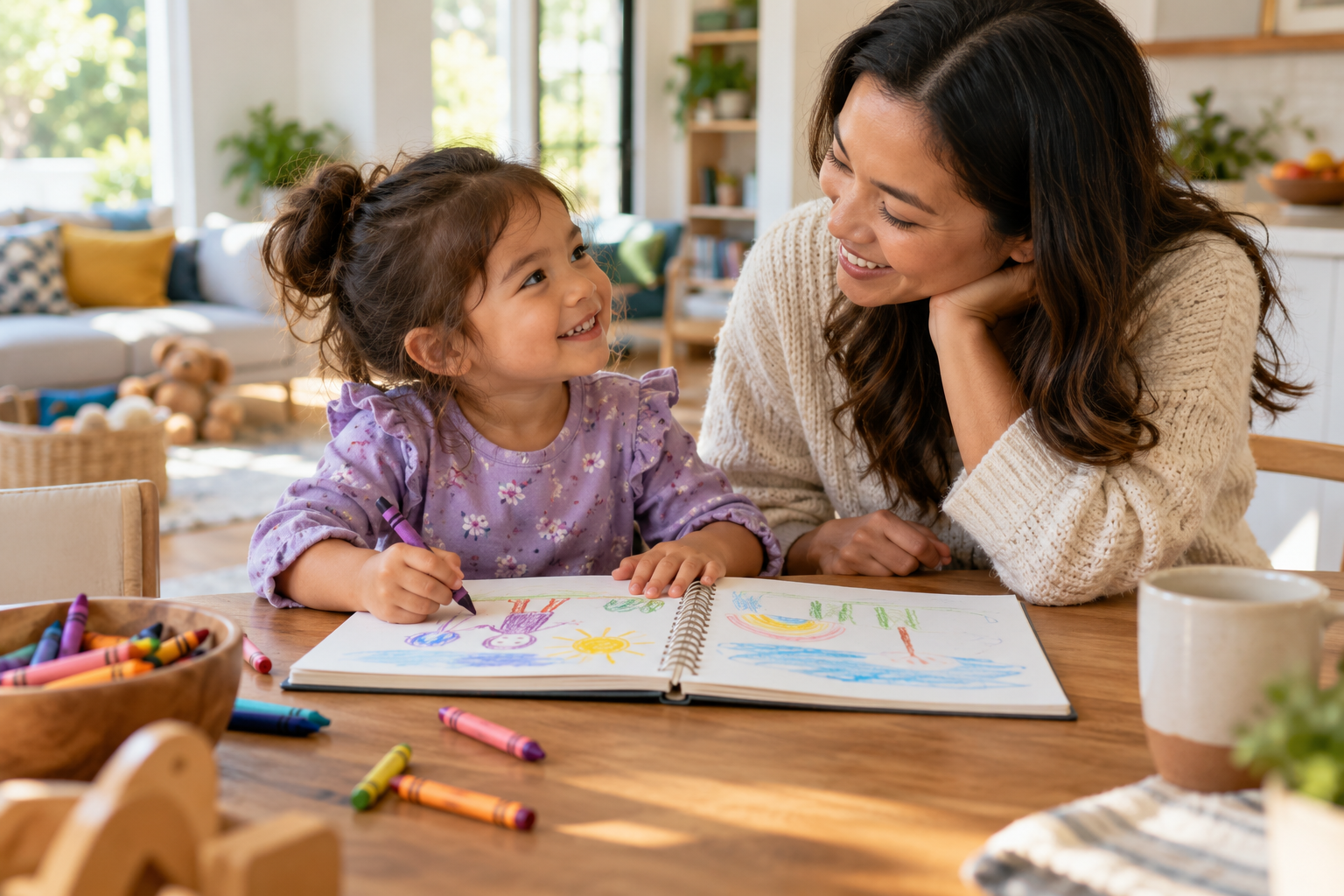
A preschool learning journal is not a diary a child must fill with sentences. It is a place to save marks, observations, questions, drawings, photos, and small memories—evidence of a mind learning how to notice and…
Read more →Oct 23, 2026
3 min read
 education-learning
Choosing a Preschool Backpack
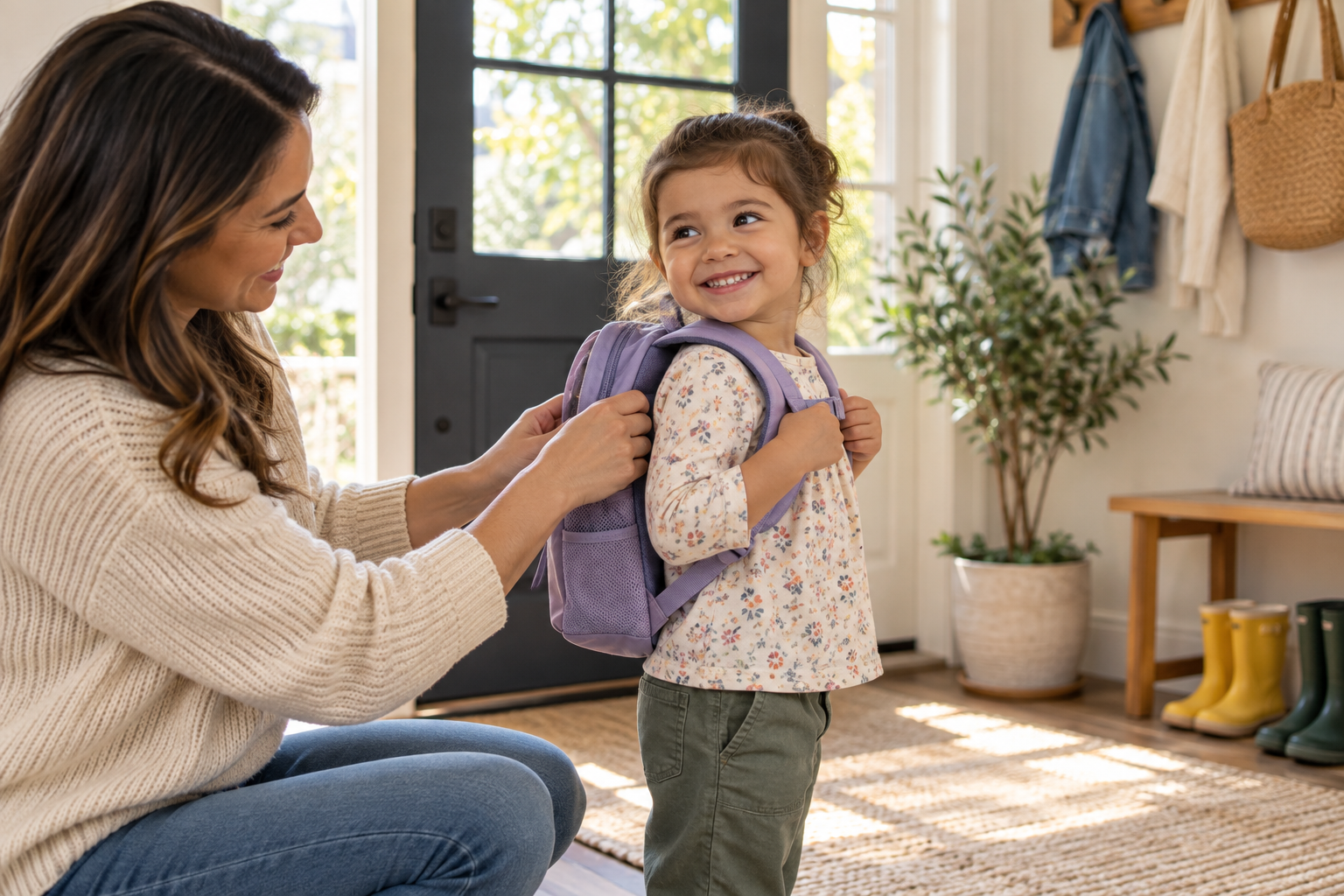
A preschool backpack looks simple until a child is carrying it every morning. The right bag should fit a small body, hold the school's required items, open with developing hands, and survive real life without becoming…
Read more →Oct 22, 2026
3 min read
The OWL Weekly
A small letter from Larissa, every Sunday.
One short video, one free printable, one cultural note, one small parenting win. Five minutes to read — written like a note to a friend.
Double opt-in via Beehiiv. Unsubscribe anytime.
