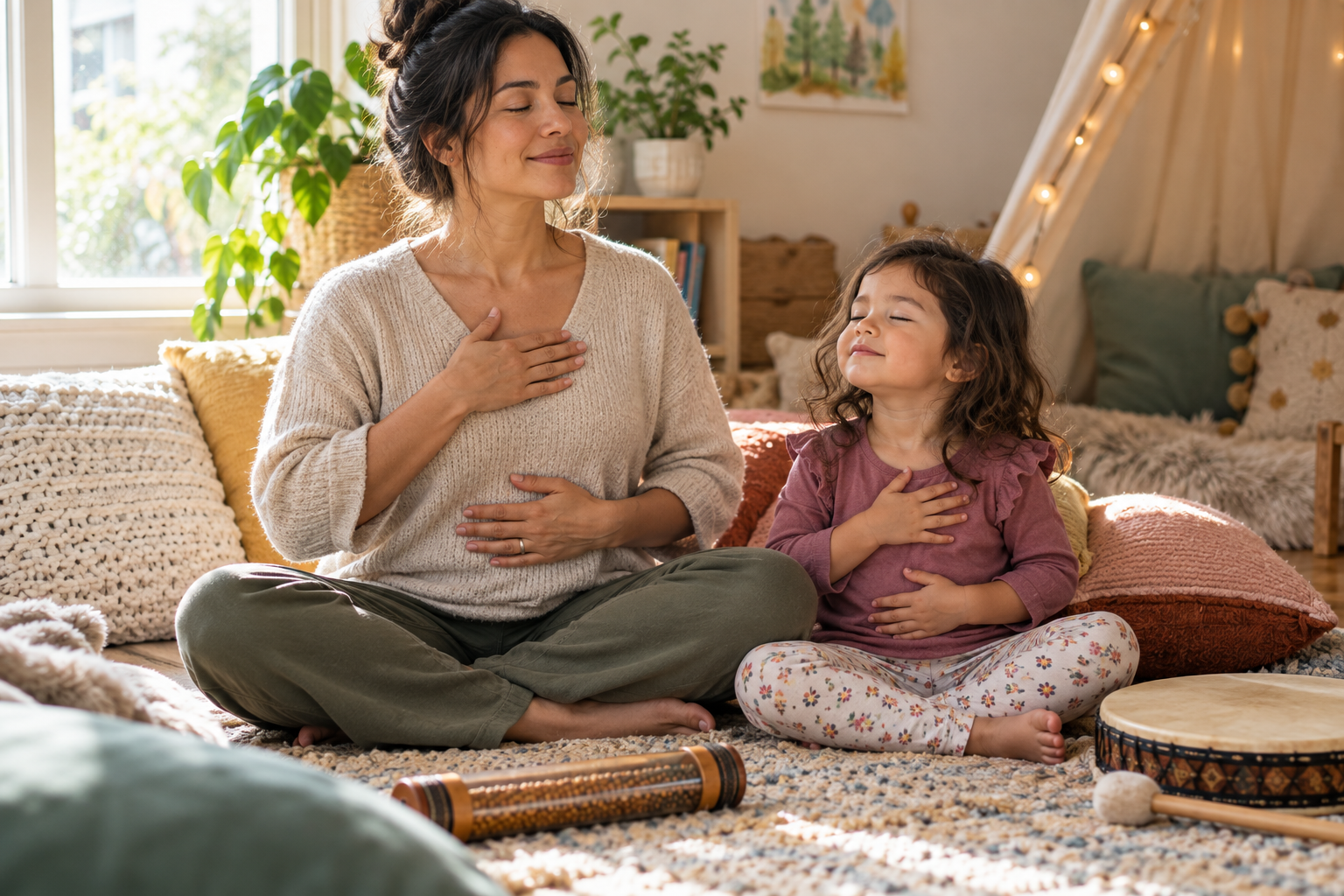
<p>A calm-down song is not a switch that turns a tantrum off. Its real power comes from familiarity: the same melody, voice, and gentle actions can help a child recognize that an adult is near and regulation is possible. Parents do not need a perfect plan; they need a useful place to begin and permission to adjust it for the child in front of them.</p> <p>Music becomes more powerful when it is shared. Sit close, make eye contact when your child seeks it, and leave room for a hum, gesture, bounce, or invented lyric. Participation will not look the same at every age or on every day. The goal is connection and practice, not a tiny performance for adults.</p> <p>A practical place to begin is to teach the song during a peaceful moment before expecting it to help during distress. There is no need to correct every unexpected choice. Ask what the child is doing and let their explanation guide the next step.</p> <p>Another useful approach is to keep the melody slow, the language short, and the volume softer than the child’s emotion. Repetition is productive at this age. A child who asks for the same experience again is often practicing something important.</p> <p>Families can also pair the song with rocking, breathing, hand pressure, or another form of comfort the child accepts. Keep the first attempt brief and notice what captures attention; that observation will tell you what to repeat or change next time.</p> <p>On a different day, try to name the feeling without arguing about whether the child should have it. If the idea feels difficult, simplify the materials or do one part together. Support can fade as the routine becomes familiar.</p> <p>Finally, remember to stop singing if it adds stimulation and return to quiet presence instead. Use ordinary conversation while you play. Words connected to a real action are easier for young children to understand and revisit.</p> <p>Try the idea at different points in the day and notice what changes. An energetic morning version may invite big movements, while the same familiar tune can become slower and quieter in the evening. Young children learn not only the words but also the pattern surrounding them. Consistency creates security, and small variations keep the experience alive.</p> <p>The value of calm-down songs for big feelings is not found in doing every suggestion at once. Choose the idea that fits today’s time, space, energy, and developmental stage. Watch the child’s response, make one small adjustment, and treat that response as useful information. This flexible rhythm is how a promising idea becomes something a family can actually use.</p> <p>OWL’s Big Feelings and OWL Quiet Time content is designed to support—not silence—children’s emotions. “Feelings Are Okay” gives families shared language, while quiet songs and printables can help adults practice emotional skills when nobody is in the middle of a crisis.</p> <p>The most useful song is the one a family can carry into real life. Sing it imperfectly, change a word to fit the moment, and let the child request it again. That is when music stops being background sound and becomes a shared tool for learning, comfort, and connection.</p>
Calm-Down Songs for Big Feelings
A calm-down song is not a switch that turns a tantrum off. Its real power comes from familiarity: the same melody, voice, and gentle actions can help a child recognize that an adult is near and regulation is possible.…
By Rick Lofton · October 13, 2026
Keep reading
More in Child Development
 Child Development
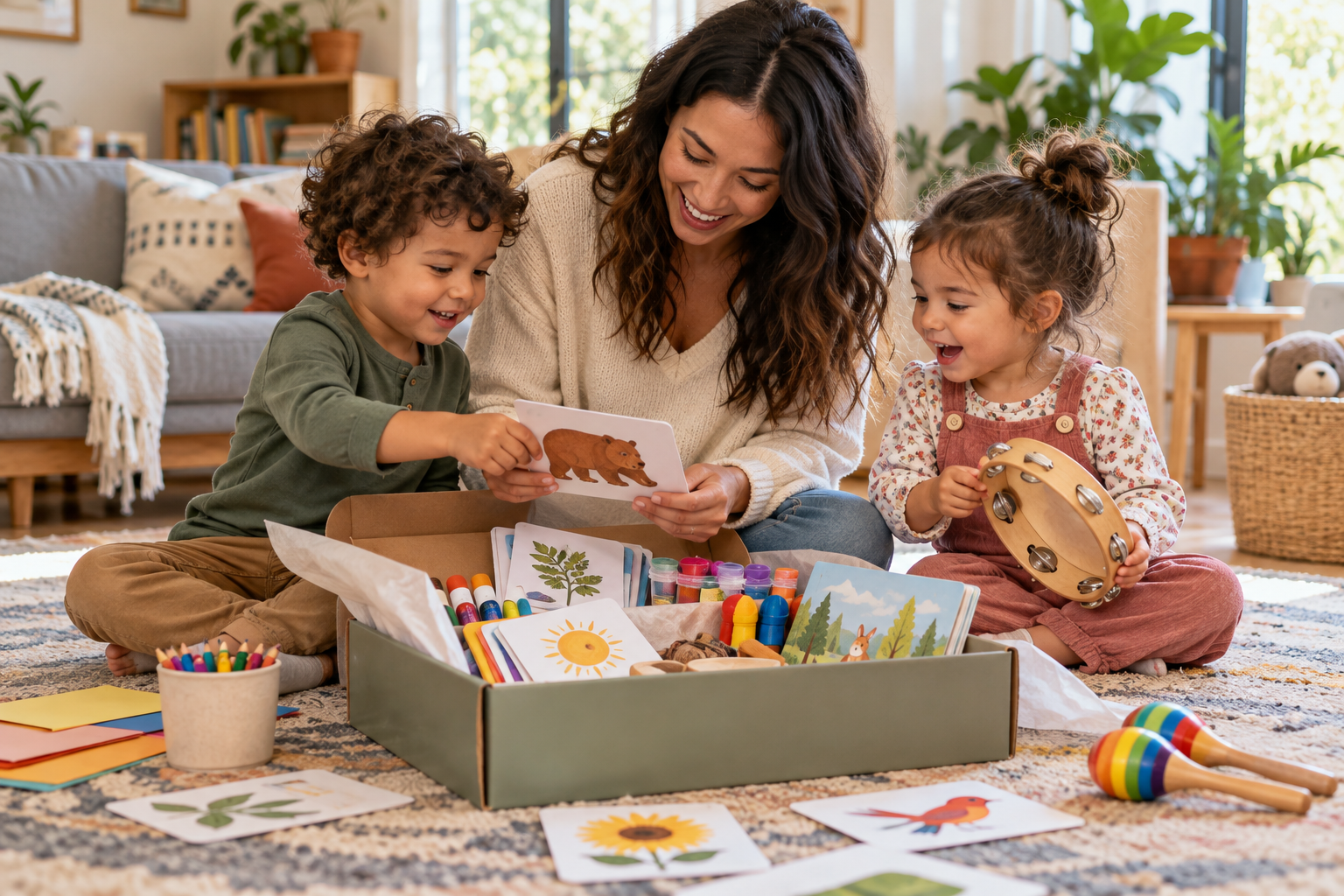
Activity Bundles for Busy Families
Busy families do not need more guilt disguised as enrichment. A useful activity bundle removes decisions, keeps materials connected, and makes it possible to begin in a few minutes—even if the kitchen is noisy and the…
Read more →Oct 24, 2026
3 min read
 Child Development
Bedtime Music and Quiet Time
Bedtime music works best as a cue, not a concert. The same gentle song in the same part of the routine can tell a child's body that play is ending and connection is still available as the day grows quiet. Parents do not…
Read more →Oct 16, 2026
3 min read
 Child Development
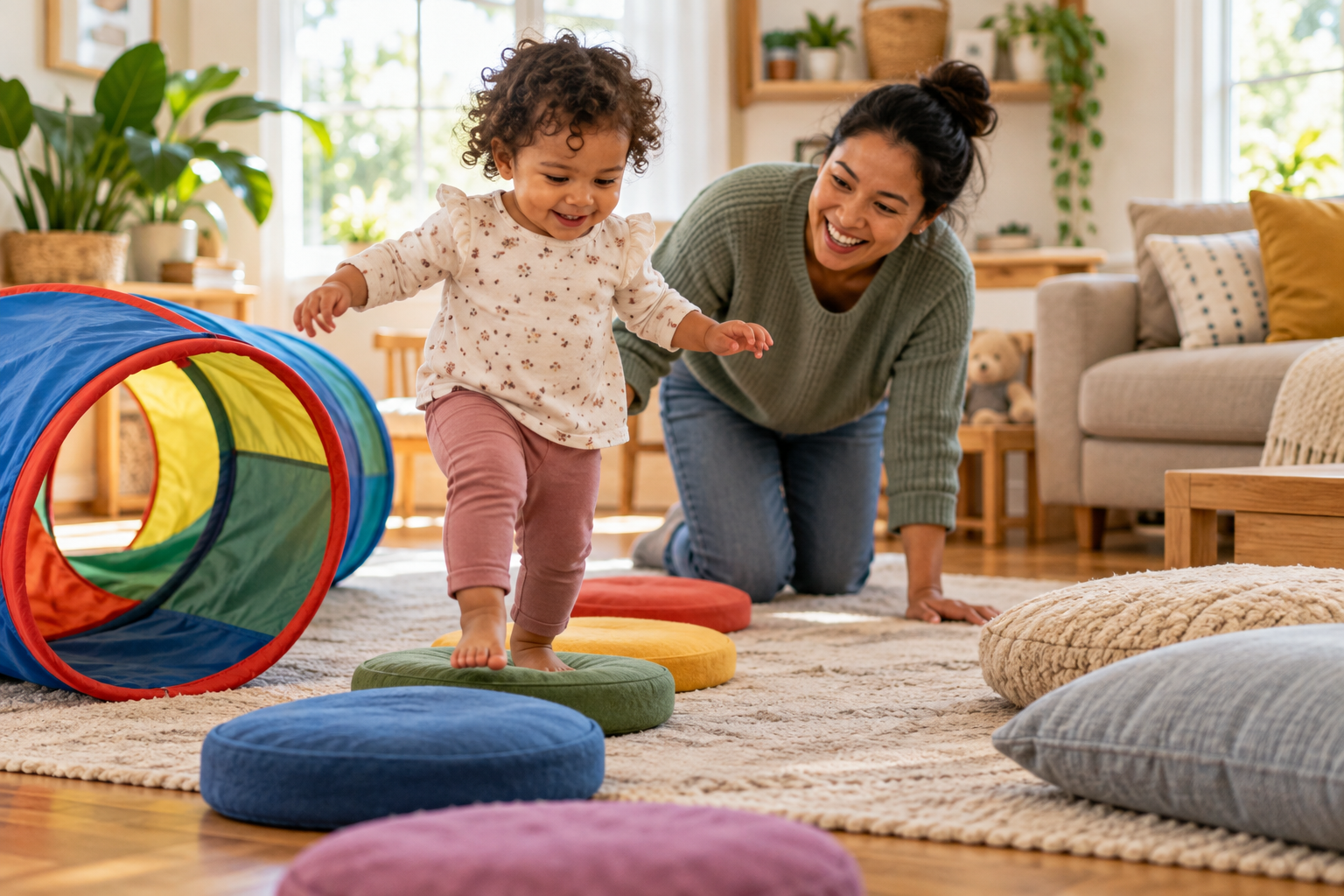
Movement Activities for Toddlers
Toddlers are built to move, but many parents hear "movement activity" and picture special equipment or a perfectly planned class. In real homes, the best movement play is often brief, repeatable, and easy to start again…
Read more →Oct 2, 2026
3 min read
The OWL Weekly
A small letter from Larissa, every Sunday.
One short video, one free printable, one cultural note, one small parenting win. Five minutes to read — written like a note to a friend.
Double opt-in via Beehiiv. Unsubscribe anytime.
