Education Is Not a Product. It Is a Promise.
Every generation of parents faces the same fundamental challenge: how do I give my child the best possible start? In 1985, the answer looked like flash cards. In 2005, it looked like Baby Einstein videos. In 2015, it looked like educational apps. In 2026, the answer looks different — not because children have changed, but because our understanding of how children actually learn has deepened dramatically.
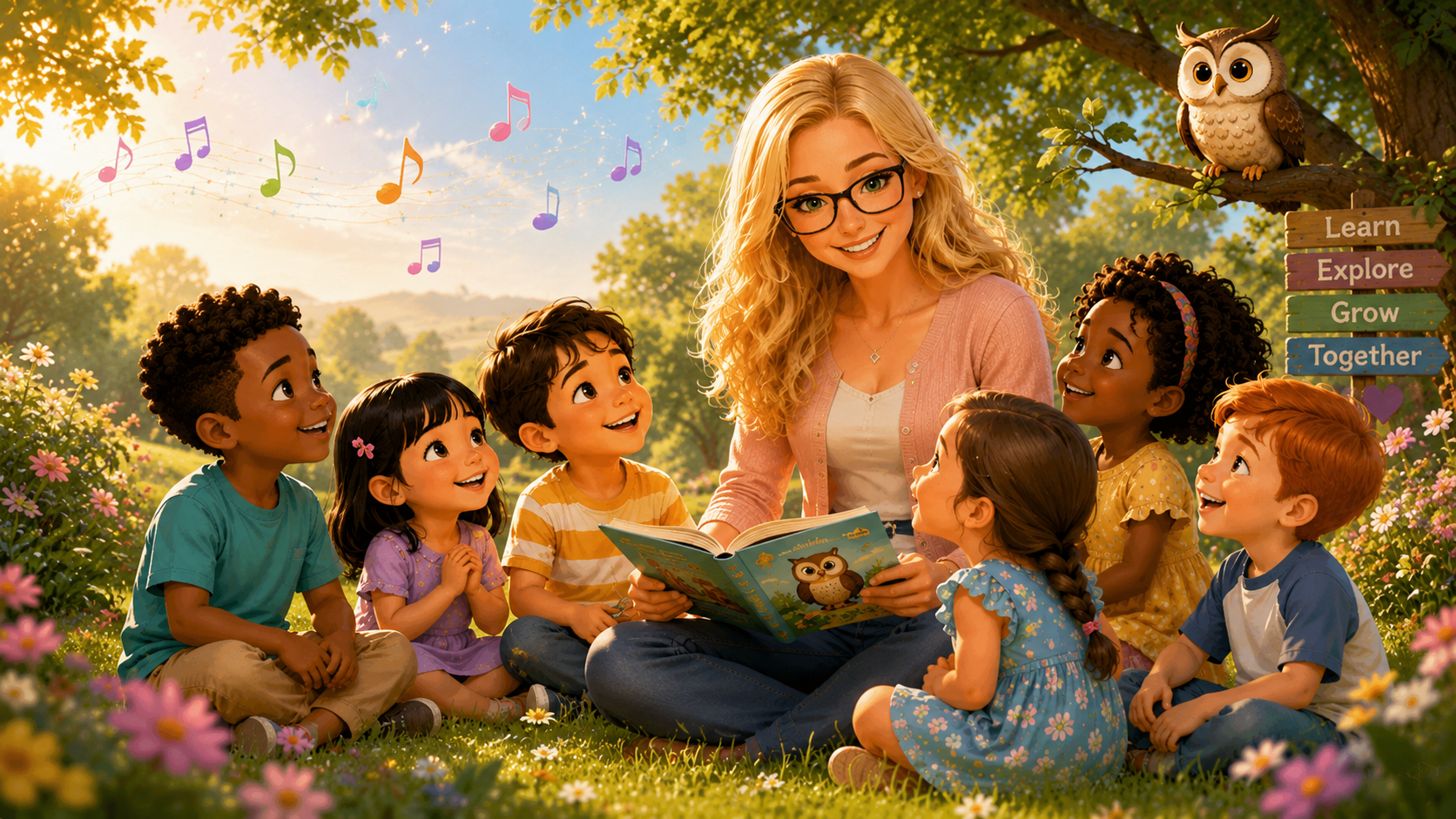
OWL was built on that deepened understanding. It is not a collection of cute videos. It is an intentionally designed early learning ecosystem rooted in developmental science, guided by a character children love, and structured to serve parents, teachers, and homeschool educators with equal seriousness.
Here are seven reasons OWL is different — and why those differences matter for your child.
1. OWL Is Research-First
Every OWL curriculum decision traces back to a specific developmental finding. The call-and-response structure in Larissa's songs is not a stylistic choice — it is based on research showing that active vocalization activates language production networks more durably than passive listening. The use of high-contrast cards for newborns reflects confirmed findings about infant visual cortex development. The emotional vocabulary in OWL's PreK materials reflects decades of research on affect labeling and emotional regulation.
OWL does not guess what works. It follows the science — then makes it beautiful.
2. Larissa Was Designed to Represent Every Child
OWL's mascot Larissa is not a default character from a stock illustration library. She was created specifically as a vehicle for multicultural representation at the earliest possible developmental stage. The Larissa Plush Doll Set comes in six ethnicities. The "Larissa and Friends" storybook series features children from six different cultural backgrounds. The reason is simple: representation at birth shapes identity for life. OWL refuses to make content where any child has to search for themselves.
3. OWL Serves Three Audiences Simultaneously
Most educational content for young children is designed for one of three audiences: the child, the parent, or the teacher. OWL was designed for all three at once:
Children receive engaging, age-appropriate, developmentally calibrated content via YouTube and physical materials.
Parents receive context, explanation, and practical guidance for how to extend every lesson at home.
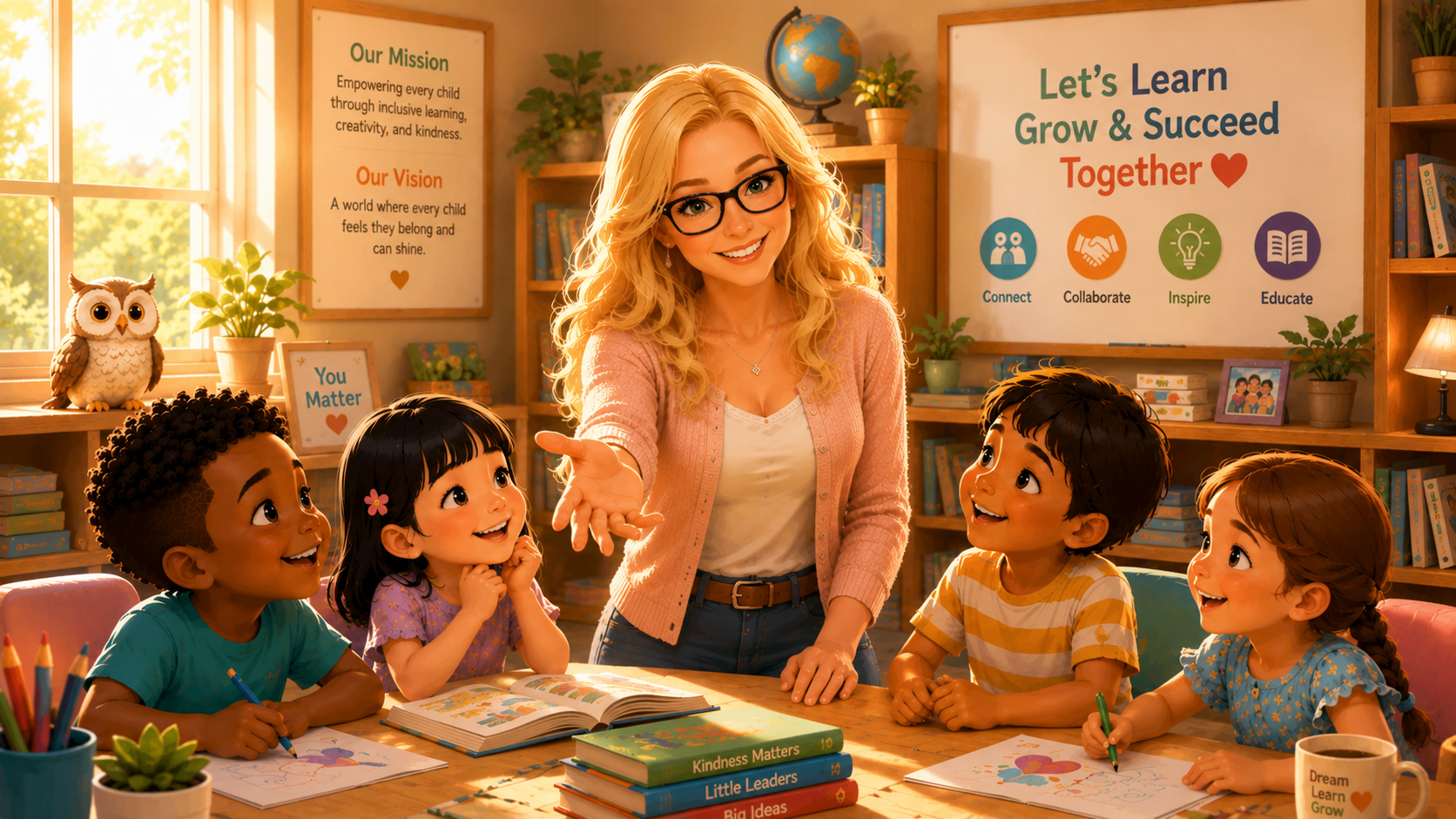
Teachers and homeschool educators receive structured lesson plans, standards-aligned curriculum, and classroom-ready tools.
This ecosystem approach is unusual — and it is exactly why OWL's community is as likely to include a PreK teacher in a Title I school as a homeschool parent in suburban America.
4. OWL Believes Music Is Not Optional
OWL was built around music — not as a nice add-on but as the primary delivery vehicle for language acquisition, phonological awareness, and emotional development. The research supporting this decision is overwhelming (see our deep-dive article on music and language). Larissa sings because singing is one of the most efficient known mechanisms for early language learning. Every OWL video uses musical structure to encode vocabulary, rhythm to build phonological awareness, and movement to activate embodied cognition.
5. OWL Integrates YouTube, Products, and Curriculum
Most educational brands exist in one medium. OWL exists in four simultaneously:
YouTube — Free, accessible, research-designed video content
Physical Products — OWL-branded flash cards, workbooks, plush dolls, and materials that extend video content into hands
Lesson Plans — Structured, 36-week curriculum plans for home and classroom
Newsletter — Curated research, coupons, and parenting guidance delivered weekly
Each channel feeds the others. A parent who finds OWL on YouTube becomes a newsletter subscriber. A newsletter subscriber becomes a curriculum customer. A curriculum customer becomes a community member who refers three other parents. This is not accidental design — it is an intentional ecosystem.
6. OWL's Content Is Free Because Access Matters
The OWL YouTube channel is free and will remain free. The reason is moral before it is strategic: a child born into a family that cannot afford a curriculum subscription deserves the same quality early learning content as a child born into a family with resources. OWL's free video content is designed to stand alone as a complete developmental resource — not as a preview for paid products.
This commitment to free access does not undermine OWL's business model. It is the foundation of it. The parents who trust OWL enough to use the free content are the parents most likely to purchase OWL's premium products when they are ready to go deeper.
7. OWL Is Built for This Moment
The homeschool movement in the United States has grown by over 70% in the last decade. Parent-led education is no longer a niche choice — it is a mainstream decision made by millions of families for millions of different reasons. OWL was designed for this moment: when parents want curriculum-quality resources without institutional barriers, when teachers need materials that bridge home and school, and when every family is looking for a brand they can trust completely with their child's most formative years.
That is OWL. That is why it was built. And that is why we are just getting started.