<p>A child can sound miserable with a stuffy nose and still have an uncomplicated cold. Young children may catch many respiratory infections, especially after entering group care. Most are caused by viruses and improve with time, fluids, rest, and comfort. The challenge is knowing which remedies are safe and recognizing when a cough is no longer behaving like an ordinary cold.</p> <p>A typical cold may bring a runny or blocked nose, sneezing, sore throat, mild fever, hoarse voice, watery eyes, reduced appetite, and cough. Nasal mucus often changes from clear to yellow or green as the immune system responds. Color alone does not prove that a child needs antibiotics. The child’s breathing, hydration, pain, duration, and overall course are more useful clues.</p> <p>Saline nose drops or spray can loosen thick mucus. Younger children may need gentle suction, especially before sleep or meals. Use equipment as directed and keep it clean. A cool-mist humidifier may make a dry room more comfortable, but it should be placed safely out of reach and cleaned every day so it does not spread mold or bacteria.</p> <p>Offer fluids throughout the day. Warm liquids can soothe the throat for some children. For children older than 1 year, a small amount of honey may calm a cough, particularly near bedtime. Honey must never be given to a baby under 12 months because of the risk of infant botulism. Avoid drinks that are hot enough to burn.</p> <p>Over-the-counter cough and cold medicines can cause serious side effects in young children. The American Academy of Pediatrics advises that they not be given to children under 4. For children ages 4 to 6, use them only if the child’s doctor specifically recommends them. Never combine products without checking ingredients, because several may contain the same medicine.</p> <p>Read every label before giving pain or fever medicine, dose by current weight, and use the measuring device that came with the product. Kitchen spoons are not accurate. Store medicine immediately after use. Do not give aspirin unless a specialist has directed it, and do not use someone else’s prescription medicine.</p> <p>Avoid antibiotic pressure. Antibiotics treat certain bacterial infections, not ordinary viral colds. Unnecessary antibiotics can cause side effects and contribute to resistance. If the pediatrician prescribes an antibiotic for a diagnosed infection, give it exactly as directed and ask what to do if a dose is missed or the child vomits.</p> <p>A cough is also a protective reflex that clears mucus and irritation. Trying to silence every cough may not help. Keep the child away from smoke, vaping aerosol, strong fragrances, and other airway irritants. If the child has asthma or another lung condition, follow the clinician’s written action plan rather than improvising with a sibling’s inhaler.</p> <p>Watch how the child breathes when calm. Seek urgent care for blue or gray lips, severe trouble breathing, ribs pulling in deeply, pauses in breathing, inability to speak or cry normally because of breathlessness, or unusual exhaustion. Harsh sounds, wheezing, breathing much faster than normal, or a cough that begins suddenly after choking require prompt medical advice.</p> <p>Call the pediatrician when the child is getting worse instead of better, has significant ear pain, persistent fever, dehydration, repeated vomiting, a cough that disrupts sleep for many nights, or symptoms that last longer than expected. A cough may linger after a cold, but the clinician can decide whether asthma, pneumonia, allergies, sinus disease, or another cause needs attention.</p> <p>Protect hydration. Fewer trips to the bathroom, dark urine, dry mouth, no tears, unusual sleepiness, or refusal of all fluids are warning signs. Offer small amounts often and ask the pediatrician about oral rehydration solution when vomiting or diarrhea is also present. Sports drinks and very sugary beverages are not the same as a pediatric rehydration product.</p> <p>Keep the sick-day routine simple. Dim lights, quiet play, stories, an earlier bedtime, and extra connection may be more useful than a shelf of products. Wash hands, cover coughs, avoid sharing cups, and clean commonly touched surfaces. Ask the childcare program about return rules rather than sending a child back based only on whether the nose is still running.</p> <p>Do not use topical vapor products, essential oils, or herbal remedies automatically because they are marketed as natural. Some can irritate airways, harm skin, interact with medicines, or be dangerous if swallowed. Ask the child’s clinician or pharmacist before using any remedy, and keep all products locked away. A familiar brand name is not proof that it is appropriate for a preschooler.</p> <p>A useful home plan includes saline, a clean cool-mist humidifier, a working thermometer, tissues, fluids, the child’s current weight, and the pediatrician’s number. Most colds pass without special treatment. Safe relief means supporting breathing and hydration, avoiding medicines that create more risk than benefit, and getting help quickly when the child’s work of breathing or overall condition changes.</p>
Coughs, Colds, and Safe Relief for Young Children
A child can sound miserable with a stuffy nose and still have an uncomplicated cold. Young children may catch many respiratory infections, especially after entering group care. Most are caused by viruses and improve…
By Rick Lofton · October 14, 2026

More stories
More health-wellness
 health-wellness
Seasonal Allergies or a Cold
A runny nose in a preschooler can seem endless. When sneezing and congestion appear, parents often wonder whether the cause is a virus or seasonal allergies. The symptoms overlap, and a child can even have both at once.…
Read more →Oct 27, 2026
5 min read
 health-wellness
Ear Infections in Children Ages 2 to 5
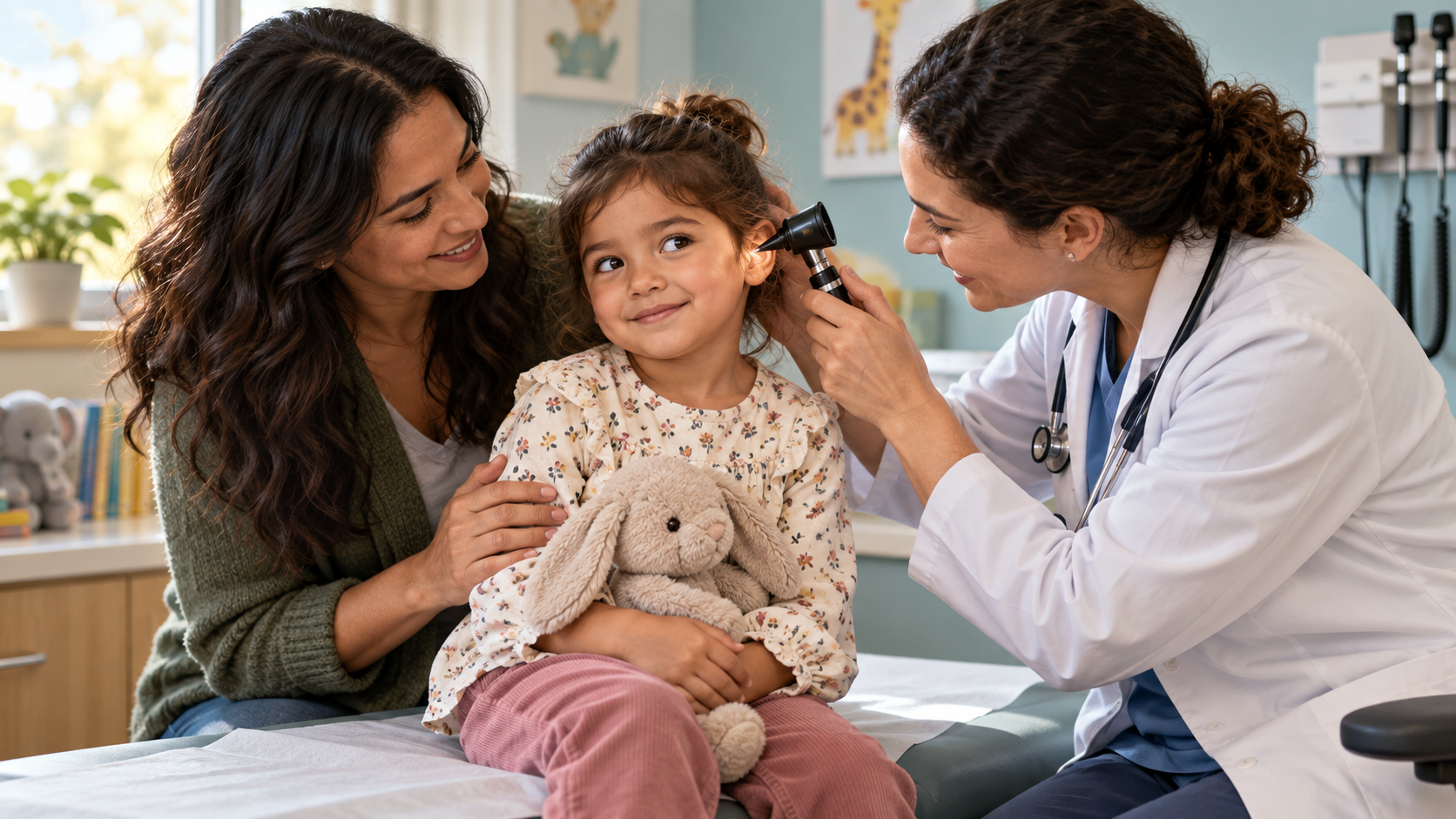
Ear pain can turn bedtime into a long night. Young children may say an ear hurts, but they may also cry, sleep poorly, seem unusually irritable, hear less clearly, or develop symptoms after a cold. Pulling at an ear by…
Read more →Oct 26, 2026
5 min read
 health-wellness
A Parent's Guide to Fever in Children Ages 2 to 5
A warm forehead can turn an ordinary evening into a stream of questions. How high is the temperature? Is the child drinking? Should medicine be given? Does the family need urgent care? For children ages 2 to 5, the…
Read more →Oct 13, 2026
5 min read
The OWL Weekly
A small letter from Larissa, every Sunday.
One short video, one free printable, one cultural note, one small parenting win. Five minutes to read — written like a note to a friend.
Double opt-in via Beehiiv. Unsubscribe anytime.
