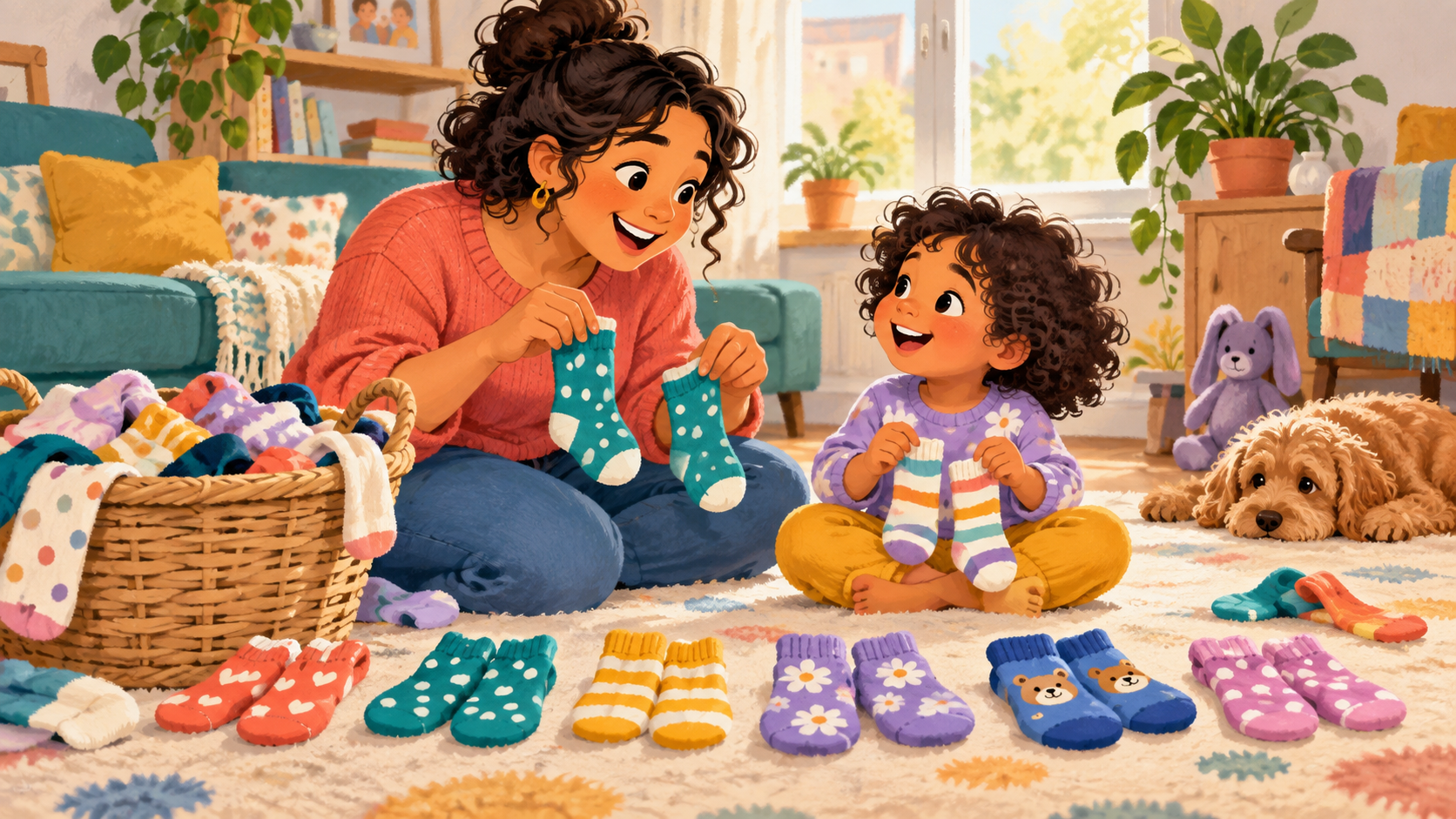
<p>A preschooler does not need a miniature classroom at the kitchen table. Language, math, science, movement, and problem-solving are already present in cooking, laundry, bath time, errands, and play. The adult’s job is to notice the opportunity and invite the child into it.</p> <p>Keep the activity connected to a real purpose. Matching socks helps the family and teaches comparison. Pouring water builds coordination and introduces ideas about full and empty.</p> <p>Narrate less and take turns more. Comment on what the child notices, then pause. Ask questions that can have several answers: “What do you think will happen?” “How could we fix it?” Repeat favorite books and let the child finish familiar lines or retell the pictures.</p> <p>Use the languages your family speaks naturally. Strong conversation and connection matter more than drilling vocabulary cards.</p> <p>Count plates for the table, compare the sizes of shoes, sort laundry by color, make a two-item pattern, or divide crackers between two bowls. Use words such as more, fewer, under, beside, first, and last.</p> <p>Let the child make a reasonable guess before counting. An incorrect answer can begin exploration rather than end it.</p> <p>Watch ice melt, mix colors, plant a seed, test which objects roll, or notice where puddles disappear. Ask the child what they see and what they predict. Use household materials that are safe and supervised.</p> <p>You do not need to supply every explanation. “Let’s look again” teaches careful observation and gives the child room to form an idea.</p> <p>Create an obstacle path with pillows, follow directions in a dance, toss socks into a basket, or hunt for shapes on a walk. Movement supports coordination and gives active children a way to practice listening and sequence.</p> <p>Take learning outside whenever possible. Sticks, shadows, leaves, ramps, mud, and wind offer changing problems no worksheet can copy.</p> <p>If the child is fascinated by buses, count wheels, draw routes, build a station, read a bus book, and act out passengers getting on. One interest can support language, math, art, and social play without becoming a lesson plan.</p> <p>Stop while the child is still engaged. An activity does not become more educational because an adult makes it last longer.</p> <p>On Monday, sort something useful such as socks, spoons, or recycling. Tuesday, cook one simple recipe and let the child scoop, pour, and count. Wednesday, take a noticing walk and collect safe items to compare. Thursday, build or pretend with boxes, blocks, or blankets. Friday, revisit the activity the child mentioned most.</p> <p>Keep each invitation short and allow the child to change the plan. Use art materials and small objects only with the supervision appropriate for the child. Include siblings at different levels by giving each a real role.</p> <p>At the end of the week, write down one question your child asked and one problem they solved. Those observations are more meaningful than a stack of completed pages.</p> <p>The clearest sign of learning is often a child who returns to an idea, tries a new method, or tells someone what happened. Home should leave room for those discoveries. Warm conversation and real work are enough.</p> <p>A 2-year-old sorting laundry may match two identical socks, name a color, or carry one item to a basket. A 3-year-old may sort light and dark colors or count three towels. A 4- or 5-year-old may make a repeating pattern, compare which pile has more, or help remember the sequence for loading the machine. The household task stays the same while the invitation changes.</p> <p>Use the same approach in cooking. A younger child can pour a premeasured ingredient and stir. An older preschooler can count spoonfuls, compare full and half-full cups, or predict what happens when ingredients mix. Adults handle heat, sharp tools, raw animal foods, and other hazards.</p> <p>Do not quiz continuously. If every walk becomes “What color is that?” the child may stop sharing what they actually notice. Alternate adult comments, genuine questions, and silence. Let the child point out the crack in the sidewalk, the loud truck, or the tiny leaf without redirecting each observation toward a lesson.</p> <p>Children with disabilities can participate when materials, time, and communication are adjusted. Use larger handles, picture choices, a stable seat, fewer objects, or hand-over-hand support only when welcomed and helpful. Learning at home should expand participation, not repeatedly expose what a child cannot yet do.</p> <p>If the child loses interest, let participation end without turning the task into a test of obedience. Keep a few favorite activities in regular rotation. Repetition lets the child notice more, predict more, try a harder step, and eventually take the lead. A familiar activity also helps adults see growth because they can notice how a child's questions, strategies, and confidence change over time.</p> <p>Everyday learning works because it belongs to real life. When adults slow down, notice what interests the child, and invite participation without testing, ordinary routines become rich opportunities to think and connect.</p>
Everyday Learning at Home
A preschooler does not need a miniature classroom at the kitchen table. Language, math, science, movement, and problem-solving are already present in cooking, laundry, bath time, errands, and play. The adult's job is to…
By Rick Lofton · October 9, 2026
More stories
More education-learning
 education-learning
Building Early Math Skills Through Play
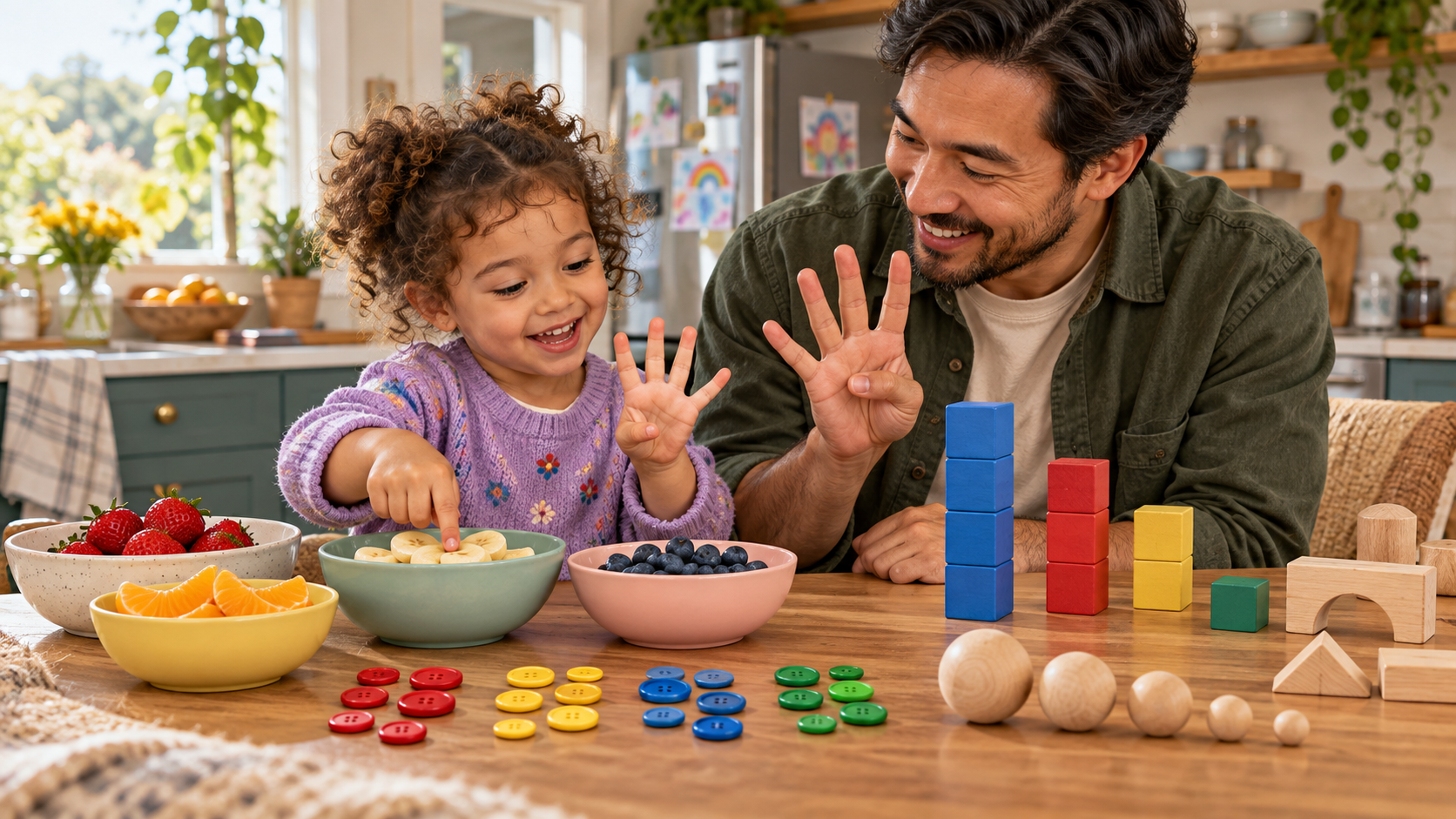
Early math is already happening when a child asks for more crackers, notices that one tower is taller, matches two socks, or argues that a sibling received the bigger piece. Children ages 2 to 5 build mathematical…
Read more →Oct 25, 2026
5 min read
 education-learning
Early Literacy Without Pressure
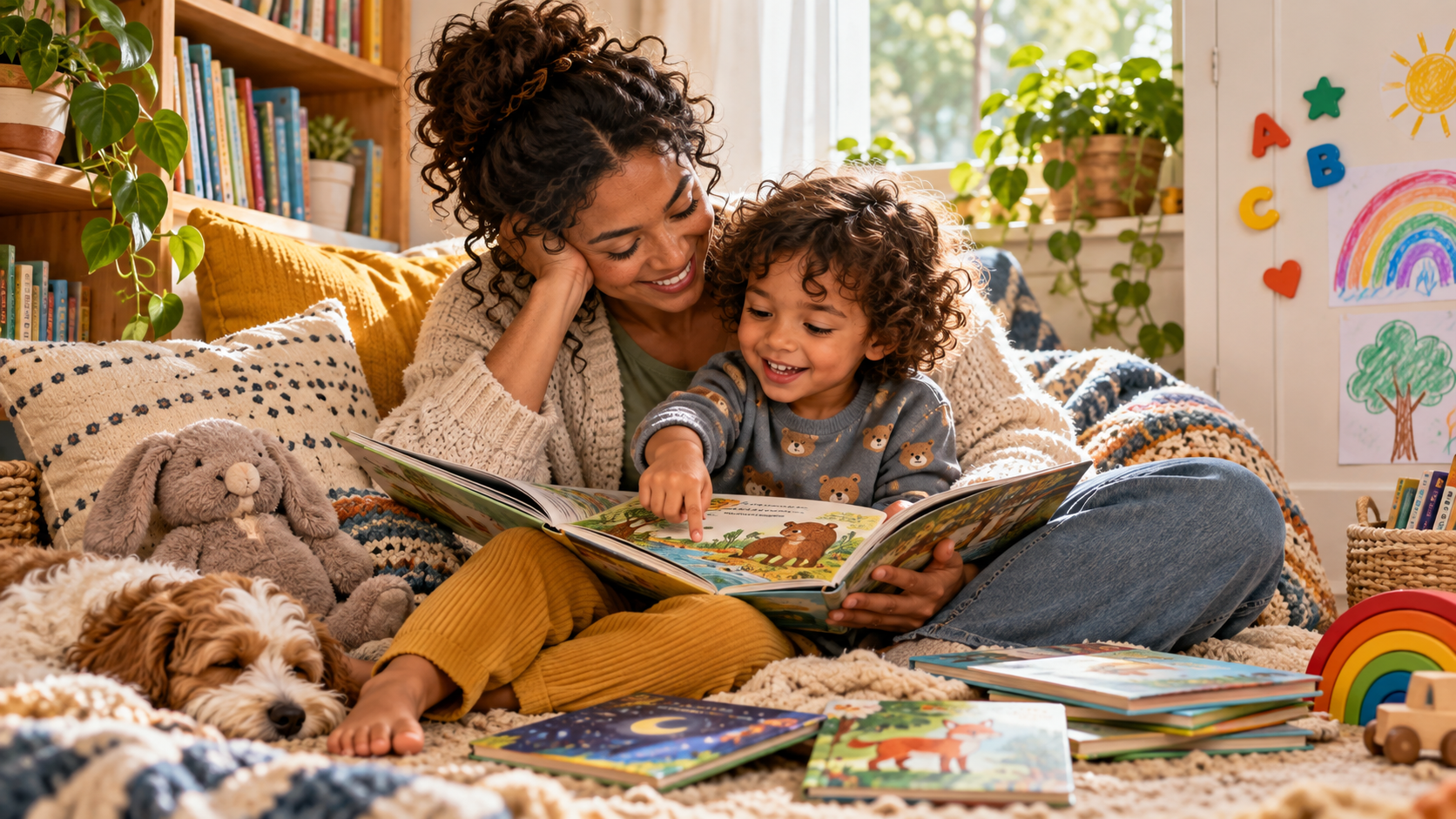
A 4-year-old does not need to read independently to be on the road to literacy. Long before children decode printed words, they learn that stories carry meaning, pages turn in order, sounds can be played with, and marks…
Read more →Oct 24, 2026
5 min read
 education-learning
Traveling With Toddlers and Preschoolers
Travel with a child ages 2 to 5 is rarely relaxing in the adult sense. It can still be enjoyable when the plan matches the child's body, attention, and need for predictability. The most useful preparation is not packing…
Read more →Oct 20, 2026
5 min read
The OWL Weekly
A small letter from Larissa, every Sunday.
One short video, one free printable, one cultural note, one small parenting win. Five minutes to read — written like a note to a friend.
Double opt-in via Beehiiv. Unsubscribe anytime.
