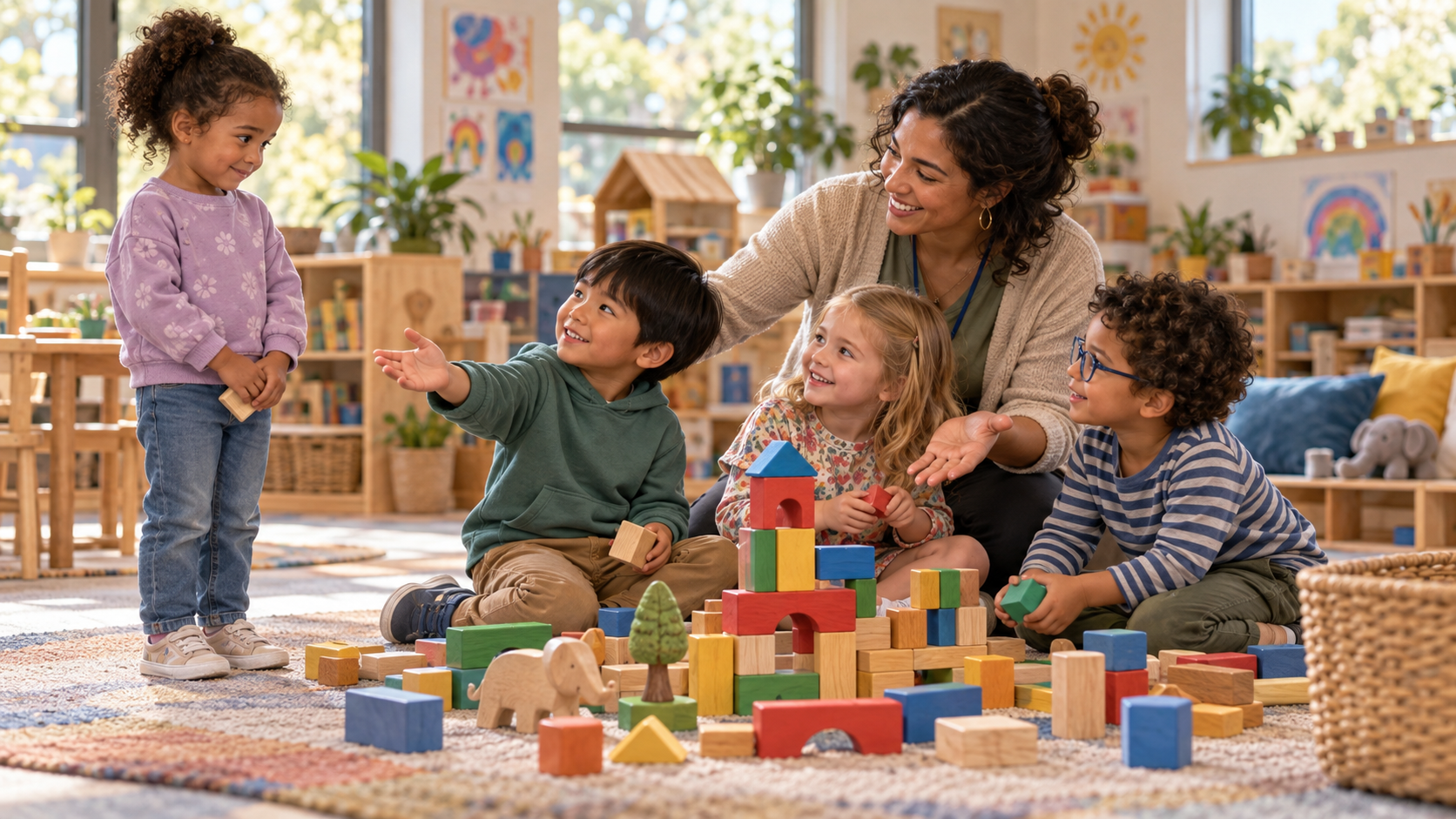
<p>Preschool friendships can change between breakfast and pickup. A child may announce, “You cannot come to my party,” or return home saying nobody would play. Those words hurt, but they do not always mean the same thing they would among older children. Young children are experimenting with power, preference, rules, and belonging while still learning how their words affect someone else.</p> <p>First, gather the story without rushing to a verdict. Ask, “What happened before that?” “Who was there?” and “What did the teacher do?” A single refusal to join a game is different from repeated, targeted exclusion. Preschoolers may also use “everyone” and “never” to describe one intense moment. Take the feeling seriously while checking the pattern.</p> <p>When your child feels left out, begin with connection. “That hurt. You wanted to play with them.” Avoid immediately telling the child it was no big deal or promising to fix everything tomorrow. Once the child feels heard, ask whether they want help thinking of a next step. Some children need comfort before they can consider a plan.</p> <p>Offer several routes back into play. The child can ask what role is available, invite one person to a different activity, bring an idea that fits the game, or seek a teacher’s help. Practice a short phrase such as, “Can I be the animal doctor?” Joining an existing game is often easier when the child adds something useful instead of trying to take control.</p> <p>If your child is doing the excluding, stay curious and firm. “You may choose to play by yourself, but you may not be mean.” Children are allowed to have preferences and boundaries; they are not allowed to humiliate, threaten, or organize others against someone. Help the child say, “We are finishing this game now,” rather than, “Nobody likes you.”</p> <p>Look for the reason behind the gatekeeping. The child may want control over a pretend story, fear that the game will be disrupted, copy language heard elsewhere, or struggle with a peer who grabs or hits. Understanding the reason does not excuse cruelty. It tells adults which skill to teach: flexible play, safe boundaries, problem-solving, or repair.</p> <p>Do not force an apology before the child understands the harm. A quick “sorry” can become a ticket back to play without changing behavior. Describe the impact, ask what might help, and support a concrete repair such as making space, rebuilding a knocked-down structure, or using kinder words. Adults may need to model the first sentence.</p> <p>Partner with the preschool instead of demanding that two children become friends. Share specific observations and ask how often the behavior occurs, whether the same children are involved, and what adults do in the moment. Effective support may include closer supervision, structured small-group play, clear classroom language, and separate coaching for each child.</p> <p>Use the word bullying carefully. Bullying generally involves repeated harmful behavior and a power imbalance. Many preschool conflicts are impulsive, mutual, or short-lived, though they still deserve adult attention. The label matters less than stopping harm, documenting patterns, and teaching safer behavior. Repeated targeting, intimidation, or group exclusion should not be dismissed as children simply working it out.</p> <p>Build belonging in more than one place. A child who struggles with one classroom group may connect through a cousin, neighbor, library activity, faith community, or inclusive recreation program. Diverse settings give the child additional practice and protect one difficult relationship from defining their entire social world.</p> <p>Watch for changes that suggest the problem is becoming serious: fear of school, sleep or stomach complaints, loss of appetite, repeated aggression, withdrawal, or statements that nobody likes them. Ask the school for a written plan when exclusion is persistent. If distress continues, involve the pediatrician or a child mental health professional.</p> <p>Adults can also examine the messages surrounding children. Jokes about who is popular, pressure to invite an entire group except one child, or adult gossip can teach exclusion more powerfully than a lecture teaches kindness. Model how to include others while respecting genuine limits and safety.</p> <p>Role-play both sides of a difficult moment. Let the child practice hearing “not right now” without collapsing, and practice setting a limit without cruelty. A simple exchange—“Can I play?” “We are finishing this part. You can help with the next one”—gives children language they may not invent while excited. Keep the practice playful and stop before it becomes a lecture.</p> <p>Be thoughtful about invitations outside school. Small celebrations may have real limits, but using invitations as public social currency can deepen classroom exclusion. Deliver them privately and follow the program’s policy. Adults cannot guarantee that every child attends every event, yet they can avoid turning a family decision into a visible ranking that children must carry back into the classroom.</p> <p>A preschooler will not navigate every friendship gracefully. The goal is to help children recognize hurt, use direct words, accept that another child may say no, and seek help when a pattern is harmful. With attentive adults, a painful playground moment can become practice in empathy, boundaries, repair, and the belief that belonging is possible.</p>
When Preschoolers Exclude or Feel Left Out
Preschool friendships can change between breakfast and pickup. A child may announce, "You cannot come to my party," or return home saying nobody would play. Those words hurt, but they do not always mean the same thing…
By Rick Lofton · October 23, 2026
More stories
More child-development
 child-development
Helping Your Child Make Friends
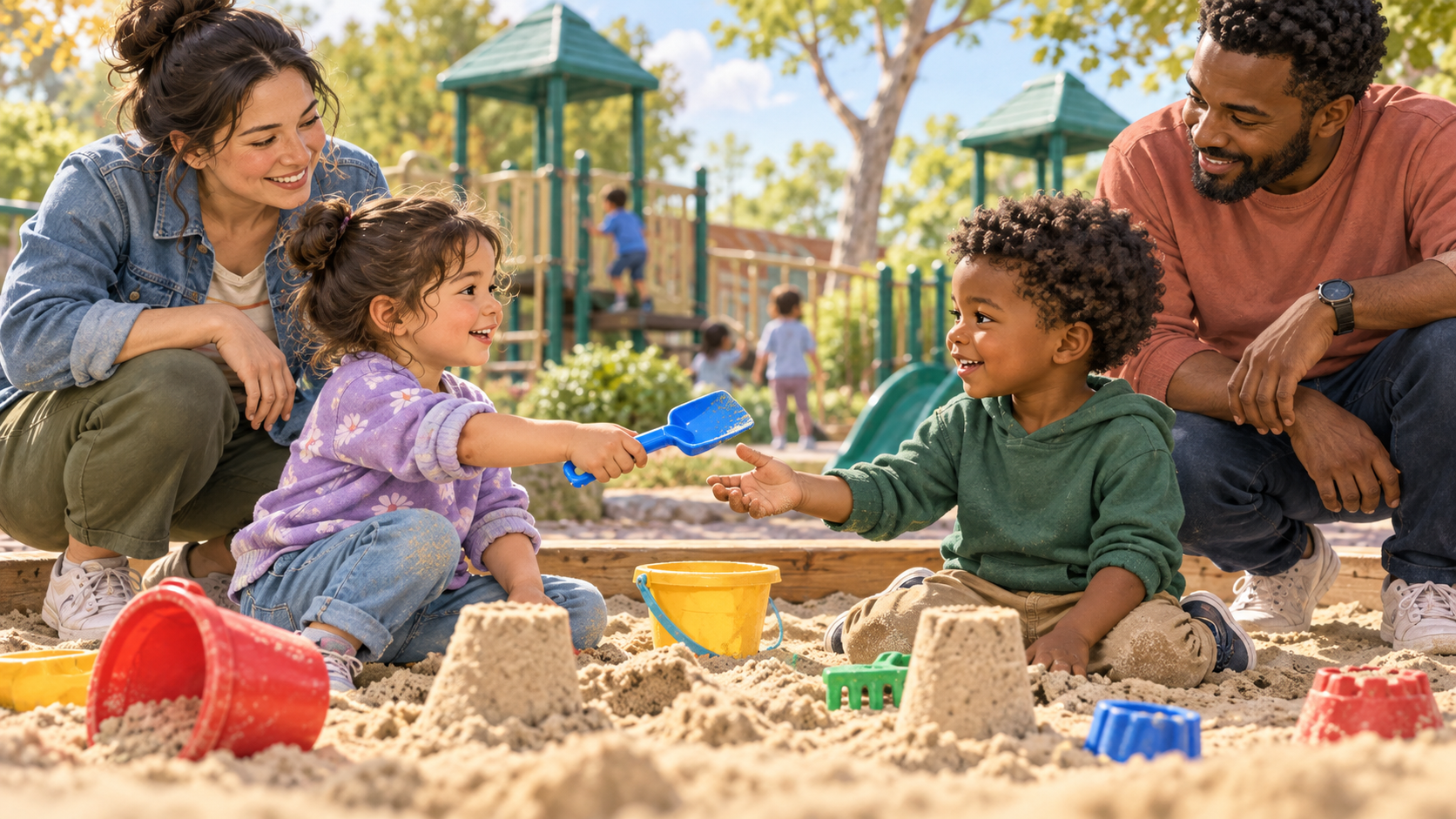
Watching a child hover at the edge of a playground can tug at a parent's heart. Friendship looks simple from across the sandbox, but it asks young children to notice another person, enter play, share an idea, handle…
Read more →Oct 22, 2026
5 min read
 child-development
Why Preschoolers Lie and How Honesty Develops
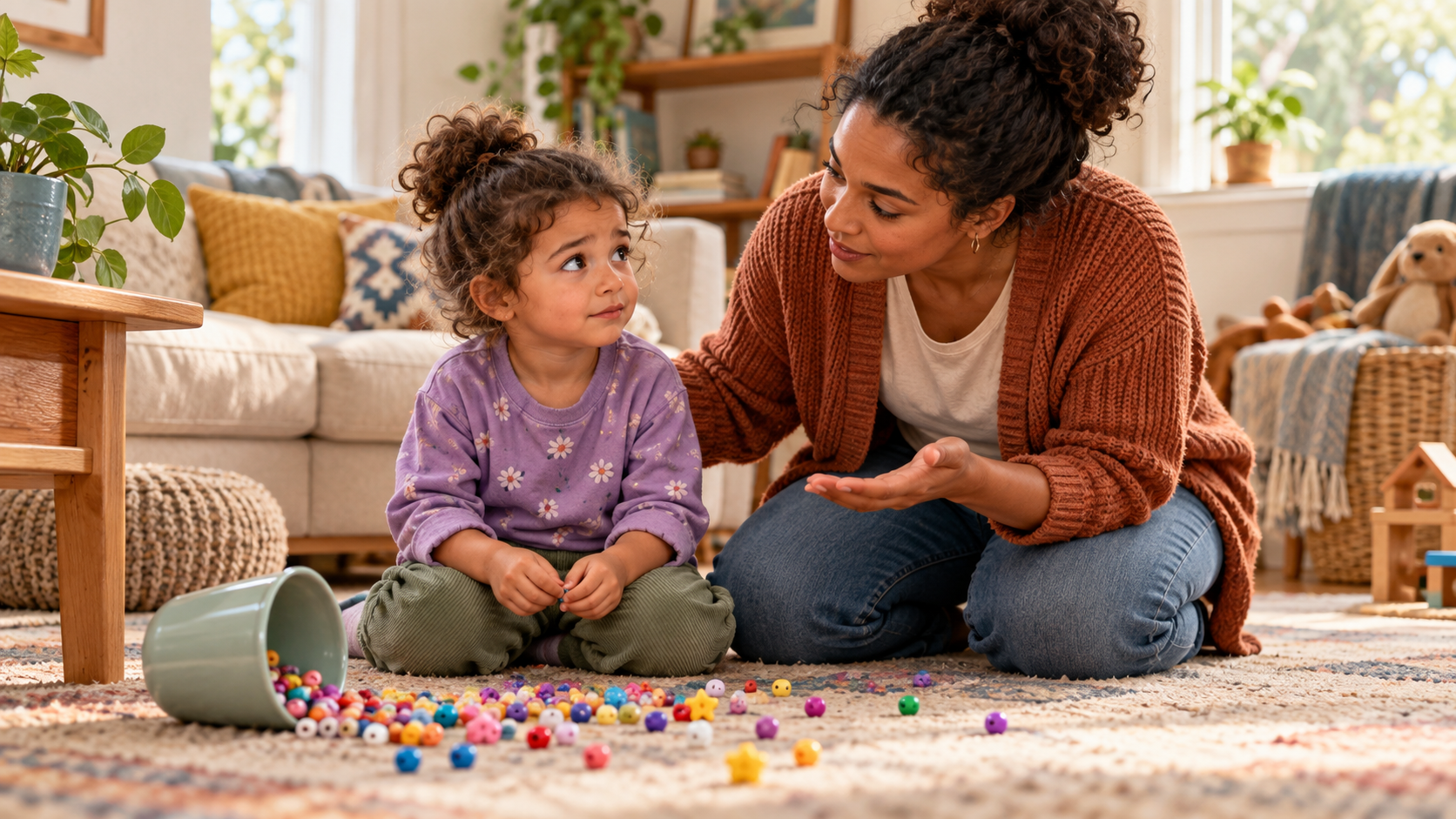
A preschooler looks at a crayon-covered wall and says, with complete seriousness, "I did not do it." For an adult, the evidence seems obvious. For a child ages 2 to 5, the moment may include wishful thinking, fear of an…
Read more →Oct 21, 2026
5 min read
 child-development
Helping Your Child Move On From Pacifiers or Thumb Sucking
Sucking is a normal way for babies and young children to soothe themselves. A pacifier or thumb may help with sleep, separation, boredom, or stress long after infancy. The habit becomes a family concern when it…
Read more →Oct 19, 2026
5 min read
The OWL Weekly
A small letter from Larissa, every Sunday.
One short video, one free printable, one cultural note, one small parenting win. Five minutes to read — written like a note to a friend.
Double opt-in via Beehiiv. Unsubscribe anytime.
